
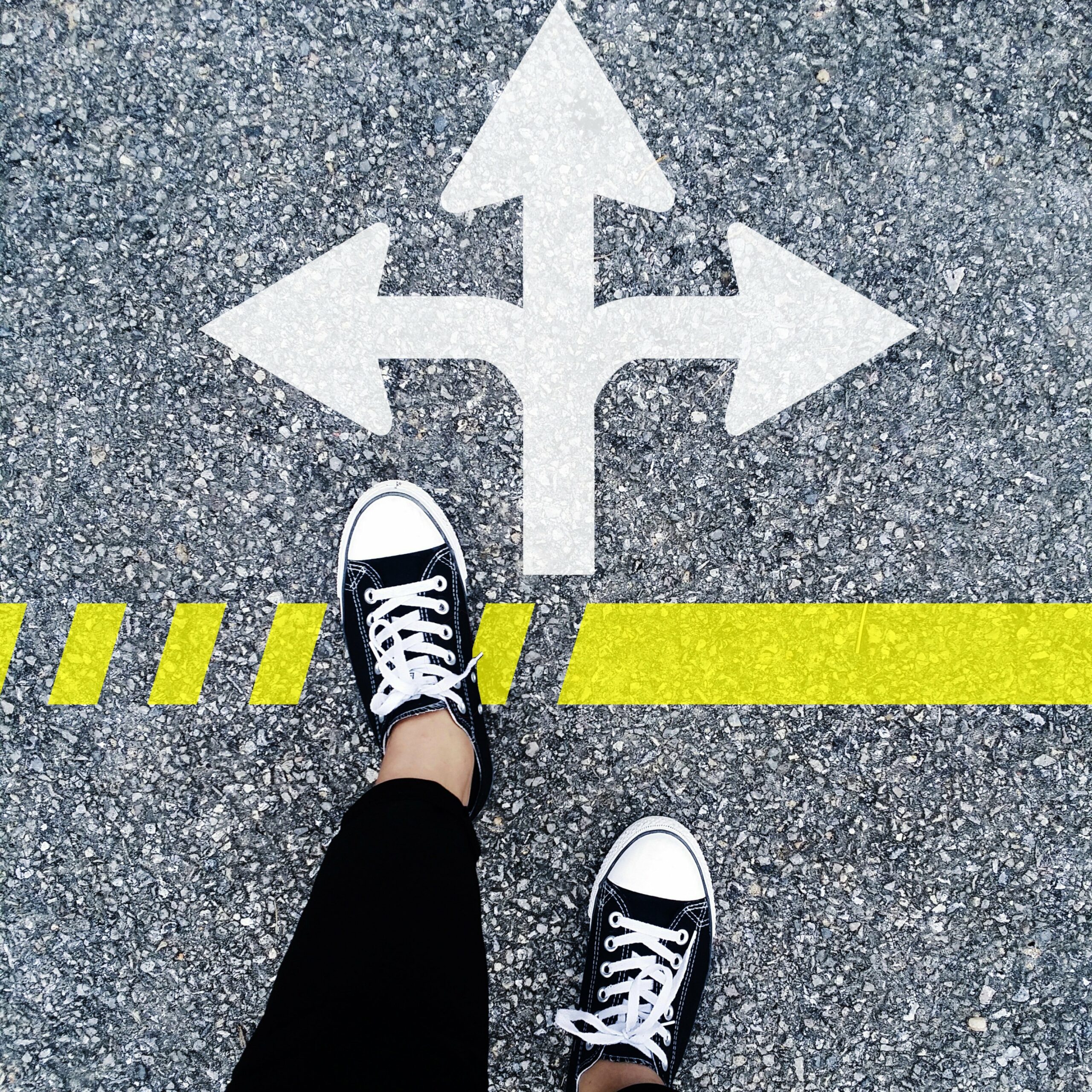
Active Hobbies vs Passive Hobbies : Which One Should You Choose Based on Your Mood ?
You have a free afternoon. Do you lace up your trainers and head outside, or do you sink into the sofa with a good series ? The choice between active and passive leisure isn’t just about energy levels – it’s about knowing what you actually need in that moment. This article breaks it down honestly, so you can stop second-guessing yourself and just enjoy your time off.
If you’re someone who genuinely enjoys outdoor activities and wants to explore options that get you moving in nature, a resource like sportrural33.fr is worth bookmarking – it covers rural sport activities and outdoor leisure in a very practical way.
What’s the actual difference between active and passive leisure ?
Active leisure involves physical or mental engagement where you are the one doing something. Running, cycling, gardening, playing chess, cooking a new recipe – all of these require effort, concentration, or movement. If you’re looking for inspiration on outdoor activities specifically, sportrural33.fr is a solid starting point.
Passive leisure, on the other hand, is about receiving rather than doing. Watching a film, listening to music, browsing social media. You’re consuming, not producing. And frankly – there’s nothing wrong with that.
The mistake people make is treating one as better than the other. It’s not that simple.
When active leisure is the right call
If you’ve spent the whole day sitting at a desk staring at a screen, the last thing your body needs is more of the same. Even a 30-minute walk changes your energy completely – this isn’t motivational poster stuff, it’s basic physiology. Movement boosts dopamine and serotonin. You already know this. The question is whether you act on it.
Active hobbies work especially well when you feel :
- Restless or slightly irritable without knowing why
- Mentally foggy after a long work session
- Socially under-stimulated (team sports, group classes)
- Like you want to feel proud of how you spent your time
There’s also something to be said about the sense of progression. Learning to play guitar, training for a 10k, improving your vegetable garden – these give you a tangible result over time. Maybe that matters to you, maybe it doesn’t. But if it does, active leisure delivers it.
When passive leisure is exactly what you need
Here’s a take that doesn’t get said enough : passive leisure is genuinely restorative, and pretending otherwise is counterproductive. If you’ve just come back from a difficult week – high pressure, lots of social interaction, decision fatigue – your brain needs to switch off, not switch modes.
Watching a good documentary, reading a novel, listening to an album properly (headphones, no distractions) – these are not lazy choices. They’re recovery. Athletes call it active rest. You can call it whatever you want.
Passive hobbies are the right choice when you feel :
- Genuinely exhausted, not just a bit tired
- Emotionally drained after intense interactions
- In need of inspiration or a change of perspective
- Like your body has had enough but your mind wants gentle stimulation
I find that a lot of people feel vaguely guilty about this. They choose a film and spend the first twenty minutes thinking they should be doing something “more useful”. That guilt is the problem, not the film.
The grey zone : hobbies that are both
Plenty of activities sit right between the two categories, and these are often the most satisfying ones. Photography gets you walking and observing. Reading can be deeply active if it’s challenging material. Cooking a complex recipe requires focus and physical involvement. Board games stimulate your brain while keeping you socially engaged.
If you’re genuinely unsure what you need, these hybrid activities are often a safe bet. They’re stimulating enough to feel worthwhile, but not so demanding that they add to your mental load.
A simple way to choose
Ask yourself one question before you decide : do I feel drained from effort, or drained from inertia ?
Drained from effort (long day, lots of activity, stress) → go passive. Rest is productive.
Drained from inertia (bored, sluggish, vaguely restless) → go active. Even a short burst of movement will shift how you feel.
It sounds obvious once you phrase it like that. But most people don’t stop to ask the question – they just default to the sofa regardless, or force themselves into activity out of obligation. Neither works particularly well in the long run.
Does it matter which one you do more of overall ?
Probably, yes – but perhaps not in the way you’d expect. Research consistently shows that a mix of both is associated with better wellbeing than leaning heavily in one direction. Too much passive leisure and you risk feeling unstimulated, even slightly low over time. Too much active leisure with no real downtime and you burn out faster than you think.
There’s no magic ratio. A rough personal observation : if more than three or four evenings a week are purely passive, it’s worth nudging the balance slightly. Not dramatically – just introducing one activity that requires something from you.
The bottom line
Neither active nor passive leisure is superior. The right choice depends entirely on your current state – physical, mental, emotional. The people who seem to genuinely enjoy their free time aren’t the ones who follow a strict “productive leisure” plan. They’re the ones who’ve learned to read their own needs accurately and act on them without overthinking it.
So next time you’re standing in front of the sofa wondering whether you should go for a run, don’t ask what you should do. Ask what you actually need. That’s usually the better question.